

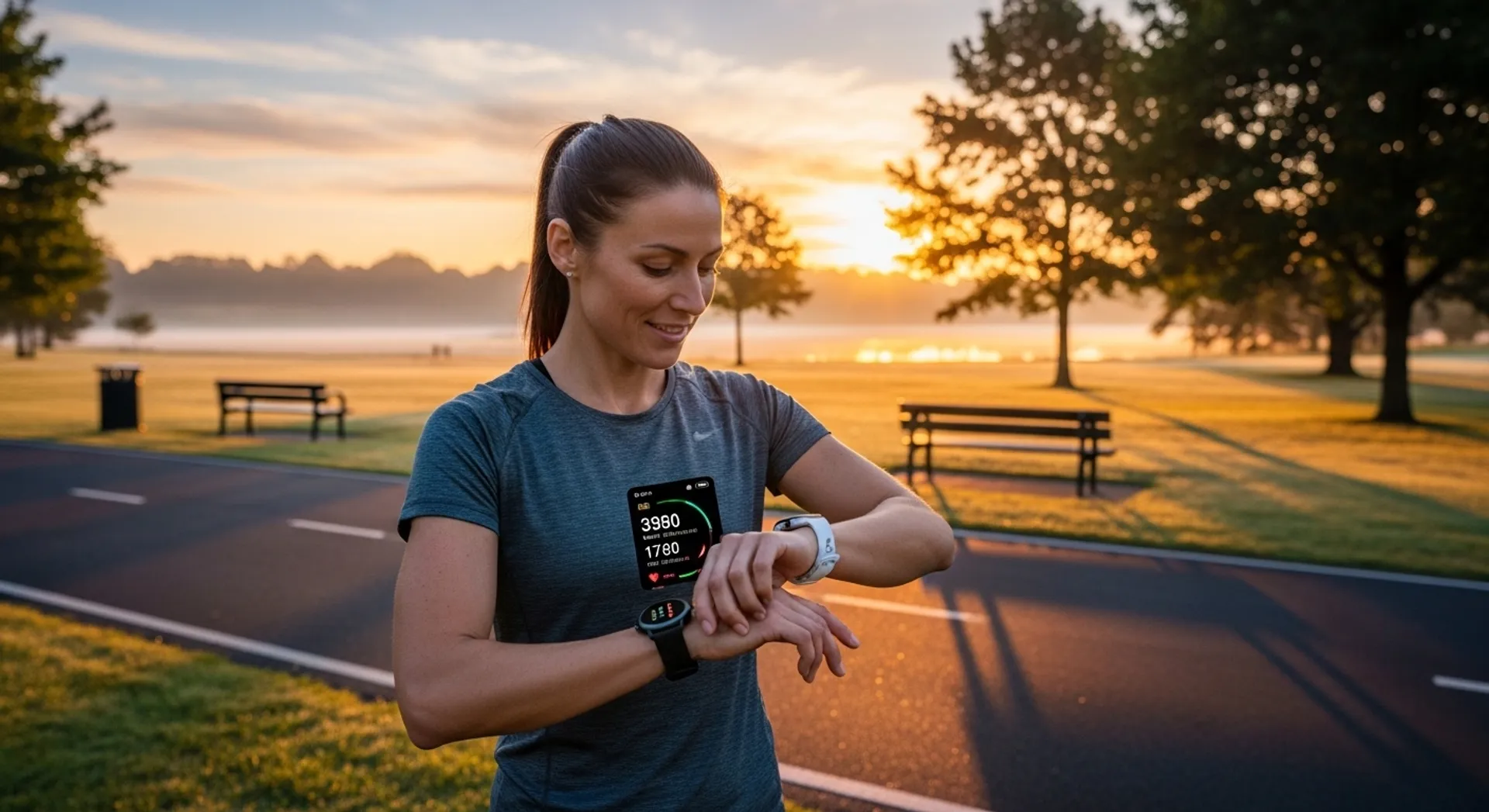
Running as a mom has never been simple. Between school drop-offs, packed workdays, meal prep, household tasks, and the constant mental load, finding time to move can already feel like a win. That is exactly why wearable technology is becoming such a big deal in 2026. It is not just about counting steps anymore. Smartwatches, fitness trackers, and running apps are helping moms train more efficiently, recover better, and stay motivated without overcomplicating their lives.
If you have ever wondered whether a running watch or fitness tracker is actually worth it, the answer is yes—if you use it the right way. The problem is that many runners collect data without knowing what to do with it. More numbers do not automatically mean better progress. For busy moms, wearable tech works best when it simplifies decisions, builds consistency, and supports a routine that fits real life.
In this guide, you will learn how to use wearable tech smarter in 2026, what metrics actually matter, and how to avoid letting data become another source of stress.
Why wearable tech matters more for moms now

For many moms, the biggest fitness struggle is not motivation. It is time, energy, and consistency. A wearable can help you spot patterns that are otherwise easy to miss. Maybe you run better after a full night of sleep. Maybe your heart rate is unusually high after a stressful day. Maybe your “easy run” pace is faster than it should be, which is why you keep feeling drained.
That is where smart tracking becomes useful. Instead of guessing, you can make more informed choices about when to run, how hard to push, and when to recover. The right wearable does not replace your instincts. It supports them.
If you are still building a routine, read How to Start Running as a Busy Mom: Simple Steps for Success for a strong foundation before you start relying on advanced data.
What to track and what to ignore
One of the biggest mistakes runners make is trying to monitor everything. That usually leads to confusion, not progress. Most moms do not need a dozen advanced metrics. Start with the basics and build from there.
1. Time on feet
This matters more than perfection. If your watch helps you stay consistent with 20 to 30 minutes of movement, that is already a win. You do not need a fancy training block to benefit from regular running.
2. Heart rate
Heart rate can help you understand effort better than pace alone, especially if you are tired, postpartum, stressed, or running in hot weather. On some days, your usual pace may feel harder than expected. Your heart rate can tell you when to slow down.
3. Daily step count
Running is great, but general movement still matters. For moms who spend long hours at a desk, in the car, or handling chores indoors, step count can reveal whether you are active overall or only during workouts.
4. Sleep trends
Sleep data is not always perfect, but it can still be useful. If your watch consistently shows poor sleep before a rough run, that pattern matters. It may be a sign to shorten your workout, go easier, or prioritize recovery.
5. Recovery and readiness scores
These can be helpful, but do not treat them like absolute truth. Use them as a guide, not a command. A low score may explain why you feel off, but it should not make every decision for you.
What should you ignore? Anything that makes you anxious, obsessed, or discouraged. If a metric is not helping you make better choices, it is just noise.
How moms can use wearable tech without getting overwhelmed
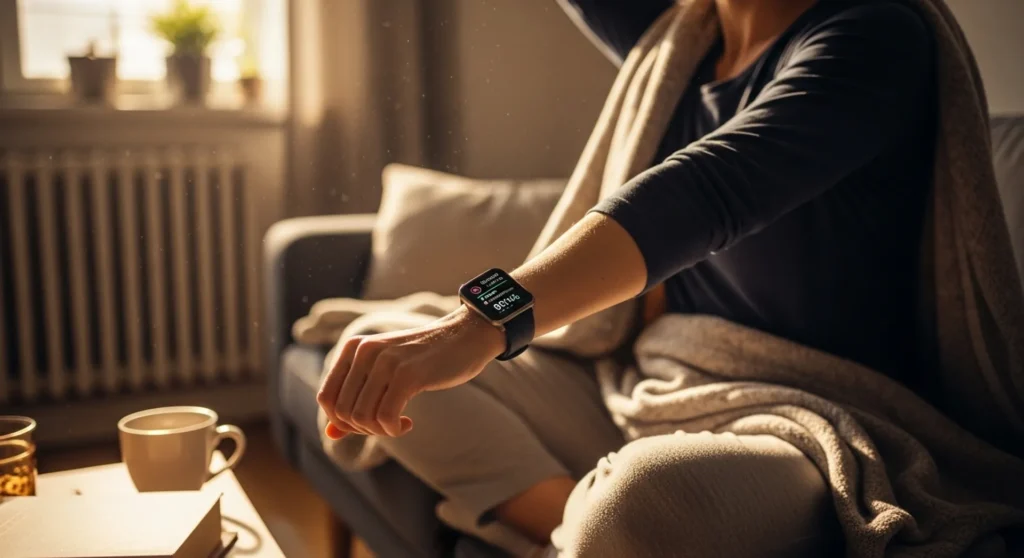
Wearables should reduce stress, not add to it. The easiest way to make them useful is to give them a job.
Use it for scheduling
Set reminders for movement breaks, short runs, hydration, or bedtime. A smartwatch can act like a quiet coach throughout the day.
Use it for pacing
Many moms run too hard on easy days because they are trying to squeeze value out of limited time. A watch can remind you to keep recovery runs truly easy so you feel better the next day.
Use it for accountability
Checking off completed runs can be surprisingly motivating. Streaks, goals, and weekly summaries can help you stay consistent when life gets messy.
Use it for flexibility
Not every workout needs to be a perfect run. If your device shows poor sleep, high fatigue, or elevated strain, you might swap a hard session for a walk, short jog, or mobility work instead.
If your schedule is hectic, pair this post with Morning Running Routines for Moms: Make Time for Fitness Every Day to make wearable tech work inside your normal day.
The best wearable habits for beginner and intermediate running moms
You do not need to train like an elite athlete to benefit from a smartwatch. You just need a few practical habits.
Set one weekly goal
Instead of trying to hit every number, choose one target each week. That could be three runs, 150 minutes of movement, one long walk, or a consistent bedtime routine.
Review trends once a week
Do not overanalyze every single workout. A weekly review is usually enough. Look at sleep, energy, heart rate, and completed workouts together. That gives you a clearer picture than one random bad run.
Match training to your season of life
There are seasons for building mileage, seasons for maintenance, and seasons for simply staying active. Wearable data should support your current reality, not pressure you into unrealistic goals.
Use alerts wisely
Set alerts for heart rate zones, pacing, or move reminders, but turn off anything that becomes annoying. A good setup feels supportive, not controlling.
Wearable tech can be especially useful postpartum
For postpartum moms, wearable tech can be a helpful tool when used carefully. It can support gradual progress, help you monitor effort, and remind you not to push too fast too soon. The key word is gradually. Recovery after pregnancy is not linear, and no device can tell you exactly what your body is ready for.
If you are returning to fitness after having a baby, read Postpartum Running: Safe Tips for Moms Returning to Fitness. A tracker can help monitor your return, but it should never replace medical clearance or body awareness.
Do you need an expensive device?
No. A more expensive watch can offer more features, but more features are not always more useful. For most moms, the best wearable is the one that is comfortable, easy to use, and reliable enough to track runs, heart rate, sleep trends, and daily movement.
If you are choosing between gear upgrades, you may want to compare this topic with Best Running Gear for Moms: Stay Comfortable and Confident and Best Running Shoes for Moms in 2025: Comfort and Performance in One. A great pair of shoes will usually matter more than a premium watch.
How to avoid letting data steal the joy from running
This part matters. Wearable tech is useful, but it can also make running feel too technical. If every run becomes a performance review, you lose the mental freedom that made running valuable in the first place.
Some of your best runs will not look impressive on paper. Maybe your pace was slow, but your mind felt clearer. Maybe your heart rate drifted higher because you were tired, but you still showed up. That counts. Running should support your life, not become another thing you feel behind on.
If motivation has been slipping, revisit Motivation to Run: How Moms Can Stay Inspired Every Step of the Way. Technology can help, but lasting motivation still comes from knowing why you run.
Smarter running in 2026 is about better decisions, not more data
The best use of wearable tech in 2026 is simple: help you make better training decisions in less time. That means knowing when to push, when to back off, when to go to bed earlier, and when a short easy run is enough.
For moms, that is powerful. You do not need a perfect training cycle. You need tools that fit real life. When used well, a smartwatch or fitness tracker can help you stay consistent, protect your energy, and keep running enjoyable for the long term.
Use the data. Learn from the patterns. But do not forget the bigger goal. You are not just tracking workouts. You are building a healthier, stronger, more sustainable routine that works for your life right now.
For broader guidance on physical activity and its benefits, you can also review resources from CDC and the 2026 trend report from ACSM.