

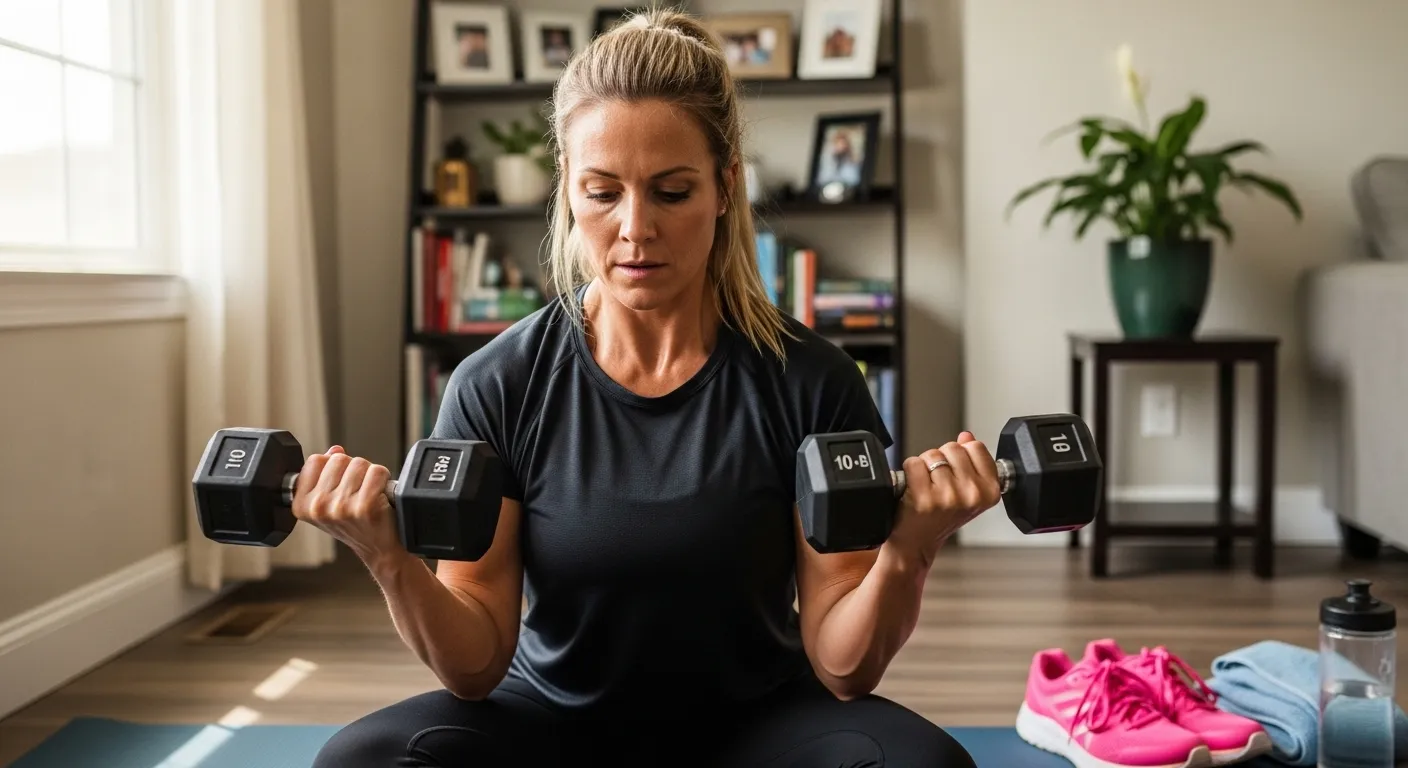
Strength training for running moms is one of the smartest fitness topics for 2026. For a long time, many moms saw strength work as something separate from running. It was often treated like an optional extra, something nice to do if there was time after a run. That mindset is changing. More runners now understand that strength training is not a side activity. It is one of the most practical ways to run better, feel stronger, and stay more consistent through the ups and downs of motherhood.
For moms, this matters even more. Running already asks a lot from the body. Add poor sleep, busy schedules, postpartum recovery, carrying kids, sitting at work, school runs, and never-ending life logistics, and it becomes clear why running alone is not always enough. Many moms are not struggling because they lack motivation. They are struggling because their bodies need more support than mileage alone can provide.
That is why strength training for running moms is such a strong fit for Run Fast Mommy. It connects naturally to your existing posts on Postpartum Running Tips for Moms, How to Balance Motherhood and Running Without Burning Out, Morning Running Routines for Moms, Motivation to Run, and Best Running Gear for Moms.
Why Running Moms Need Strength Work
Running is repetitive. That can be great for building endurance, but it also means the same muscles and movement patterns take on the same stress over and over. If certain muscles are weak, underused, or slow to fire, the body usually finds a workaround. That is where problems often begin. Hips start dropping. Knees collapse inward. The core gets lazy. The stride gets sloppy when fatigue kicks in.
Strength work helps fill those gaps. It can improve control, balance, posture, and force production. In simple terms, it helps your body handle running better. That does not just matter for race day. It matters for staying pain-free enough to run next week, next month, and next season too.
Why This Topic Hits Different for Moms
Moms often deal with challenges that standard running plans do not address well. Sleep may be inconsistent. Time is limited. Recovery is not always ideal. If you are postpartum or have been postpartum at any point in the last few years, your core, pelvic floor, breathing mechanics, and general strength may still need attention even if you feel “back to normal” in daily life.
That is why strength training should not be framed as punishment or extra work. For moms, it is often the thing that makes running feel more sustainable. It can help you feel more stable going downhill, more powerful going uphill, and less wrecked after short but intense runs.
What Strength Training Actually Improves for Runners
1. Better running form under fatigue
Most runners can look decent in the first few minutes of a run. The problem usually shows up later. As the body gets tired, form breaks down. Strength training helps maintain better mechanics when your legs are tired and your attention is split.
2. More lower-body power
Strong glutes, hamstrings, calves, and quads help you push off the ground more effectively. That can support smoother running and better efficiency without needing to “try harder” every step.
3. More core and pelvic stability
Your core is not just about abs. It helps control rotation, posture, breathing, and force transfer. For postpartum runners especially, rebuilding that foundation matters. This is one reason your post on returning to running after childbirth pairs so well with a strength article like this one.
4. Better injury resistance
No training plan can guarantee you will never get injured. But a stronger body usually handles workload changes better than a weaker one. When strength is missing, small problems can build fast.
The Biggest Mistake Running Moms Make
The most common mistake is assuming strength training has to be long, hard, or gym-based to count. That mindset stops a lot of moms before they even begin. In reality, two short sessions a week can be enough to make a noticeable difference over time.
You do not need a fancy setup. You do not need an hour. And you definitely do not need to crush yourself with a second workout that leaves your legs useless for the next run. The goal is support, not exhaustion.
What a Realistic Weekly Plan Can Look Like
A practical plan for strength training for running moms might look like this:
- 2 strength sessions per week, about 20 to 30 minutes each
- 1 to 4 runs per week, depending on your season of life
- 1 mobility or recovery day if possible
That may not sound dramatic, but it is enough for many moms to get stronger, feel more stable, and support consistent running without piling on too much stress.
The Best Exercises to Start With
You do not need a complicated program at first. A basic routine built around these movements works well for many running moms:
- Squats or sit-to-stands
- Reverse lunges
- Glute bridges or hip thrusts
- Step-ups
- Calf raises
- Dead bugs
- Bird dogs
- Rows with bands or dumbbells
- Planks or side planks
These exercises support the hips, core, lower legs, and posture that runners depend on. Start with bodyweight if needed. Add resistance later. What matters most is consistency and good control.
How to Fit It Into Mom Life

This is where most moms get stuck. Not because they disagree with strength training, but because they cannot see where it fits. The easiest answer is to stop thinking of it as a perfect routine and start treating it as a flexible support habit.
You can do one session after a short run. You can do another while dinner is in the oven. You can use resistance bands in the living room. You can do 15 minutes in the morning and 10 minutes later. It still counts.
If mornings are your best window, your post on Morning Running Routines for Moms is a natural internal companion here. If motivation is the real issue, this article also pairs well with Motivation to Run.
Postpartum Moms Need an Even Smarter Approach
Postpartum running moms should think foundation first. That means breathing, core coordination, pelvic floor support, and gradual load progression matter more than intensity. Strength training can be incredibly helpful here, but the point is not to rush. The point is to rebuild well.
If you notice heaviness, leaking, pain, or poor recovery, slow down and reassess. Strength training should make running feel safer and more supported, not more chaotic. That is why the transition advice in Postpartum Running Tips for Moms is such an important internal link for this topic.
What You Need at Home
A simple setup is enough:
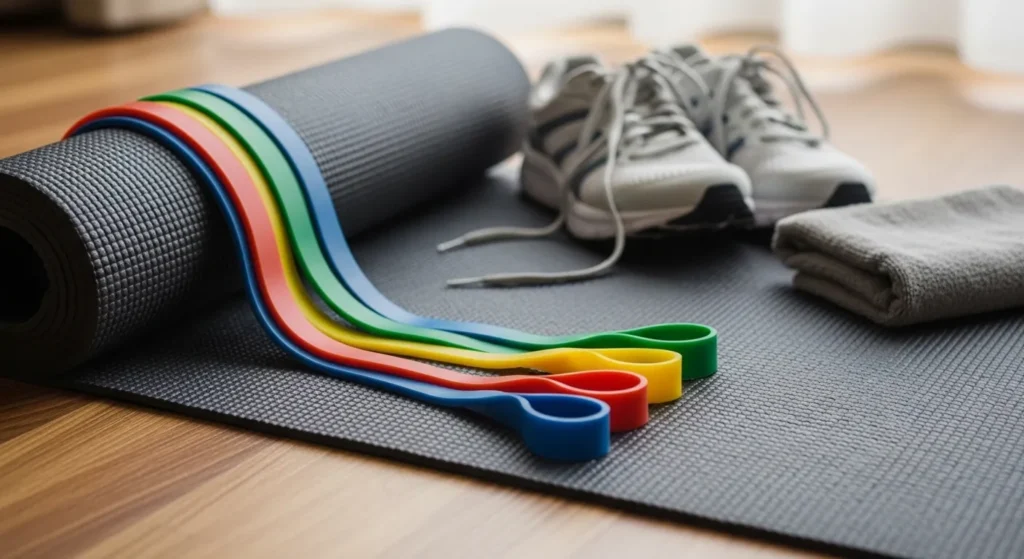
- A resistance band or mini band
- One or two dumbbells, if available
- A mat or soft floor space
- A stable step or bench for step-ups
That is it. You do not need a full gym. If you are also updating gear content, this article naturally supports Best Running Gear for Moms and Best Running Shoes for Moms in 2025.
Final Thoughts
Strength training for running moms matters in 2026 because it solves a real problem. Moms do not just need more motivation to run. They need better support for the bodies and schedules they actually have. Strength training can help runners feel stronger, more stable, more capable, and less fragile when life gets busy.
You do not need the perfect program. You need a realistic one. A few well-chosen exercises done consistently can do more for your running than chasing extra miles on an already tired body. For many moms, strength work is not what takes time away from running. It is what helps keep running in their life.
External Resources
- ACSM: Updated Resistance Training Guidelines (2026)
- 2025 Canadian Guideline for Physical Activity, Sedentary Behaviour and Sleep Throughout the First Year Postpartum
- BJSM: Postpartum Exercise, Pelvic Floor Disorders, and Pelvic Floor Muscle Training
- PubMed: Effect of Strength Training Programs in Middle- and Long-Distance Runners
- PubMed: Strength Training Methods and Running Performance