


Running recovery for moms in 2026 is becoming one of the smartest training topics for a reason. Most moms do not struggle because they are lazy or unmotivated. They struggle because real life is already physically and mentally demanding. School drop-offs, broken sleep, work pressure, meal prep, and constant decision-making all add stress before a single mile even begins. That is why recovery matters so much now. It is no longer just about foam rolling or taking one rest day when your legs feel sore. It is about learning how to train in a way your life can actually support.
For years, many runners treated recovery like an optional extra. Hard workouts looked productive. More miles felt like progress. Easy days often felt like not enough. However, more moms are now realizing that recovery is where consistency gets protected. It is also where speed, strength, and staying power quietly improve.
This topic fits naturally with what Run Fast Mommy already covers. If you have read How Running Moms Can Use Wearable Tech Smarter in 2026, Strength Training for Running Moms in 2026: Build Speed, Stability, and Staying Power, or How to Balance Motherhood and Running Without Burning Out, then this post is the next logical step. It connects training, family life, and the recovery habits that keep both from falling apart.
Why Recovery Is Becoming a Bigger Running Topic for Moms

In 2026, more runners are paying attention to recovery, but not always in the best way. Some moms feel pressure to track every sleep score, heart rate trend, and recovery metric. Others feel guilty any time they skip a workout or choose an easy day. Both extremes miss the point. Good recovery is not about doing nothing, and it is not about obsessing over data. It is about making better decisions so your body can actually adapt to training.
Busy moms do not recover the same way as carefree runners
A mom who trains around interrupted sleep, childcare, and work deadlines is not recovering under the same conditions as someone with long quiet evenings and uninterrupted rest. That does not mean moms cannot improve. It means the training plan has to respect the full picture. Recovery is not just what happens after the run. It includes sleep quality, stress load, fueling, hydration, strength, and how often you are asking your body to absorb hard effort.
Life stress still counts as stress
This is one of the biggest mistakes runners make. They separate “training stress” from “life stress” as if the body sees them differently. It does not. A rough night with a sick child, a draining workday, and low sleep can all affect how a run feels the next morning. So if your watch says you are ready but your body feels fried, that matters. Likewise, if you planned a hard workout but your legs feel flat and your mood feels low, adjusting the day is not weakness. It is smart training.
This is also why your older post on Motivation to Run: How Moms Can Stay Inspired Every Step of the Way still fits here. Motivation is not only about pushing through. Sometimes it is about protecting consistency by easing off before overload turns into burnout.
Easy days are not wasted days
Many moms still feel uneasy about easy running. If the pace feels slow, the workout can seem less valuable. However, easy runs support recovery, aerobic fitness, and long-term durability. They also create space between harder sessions so your body can respond instead of just absorb damage. In practical terms, easy running helps you keep showing up week after week.
Wearables can help, but only if you use them calmly
Recovery data is one reason this topic is trending. More moms now wear smartwatches that show sleep scores, heart rate variability, readiness, and stress patterns. That can be useful. However, data should guide choices, not control your mood. A watch can help you notice patterns, but it cannot understand the full reality of your life, your hormones, your schedule, or how your body feels on the ground.
That is why this article pairs so well with How Running Moms Can Use Wearable Tech Smarter in 2026. The smartest moms in training are not chasing perfect numbers. They are using those numbers to support better judgment.
Use the pattern, not a single bad score
One rough night of sleep does not mean your week is ruined. One low readiness score does not automatically mean you should panic. What matters more is the pattern. If your sleep has been poor for several nights, your mood is flat, and your legs feel heavy, then your body is giving you a clearer message. On the other hand, if one number looks off but you feel okay, you may simply need a lighter day, not a full training crisis.
How Moms Can Recover Better Without Overcomplicating It
The best recovery strategy is not always the fanciest one. Most moms do better with simple systems they can repeat. If your recovery plan depends on expensive gadgets, perfect sleep, and a silent house, it probably will not last. Recovery has to work inside your real routine.
Start with the recovery basics that make the biggest difference
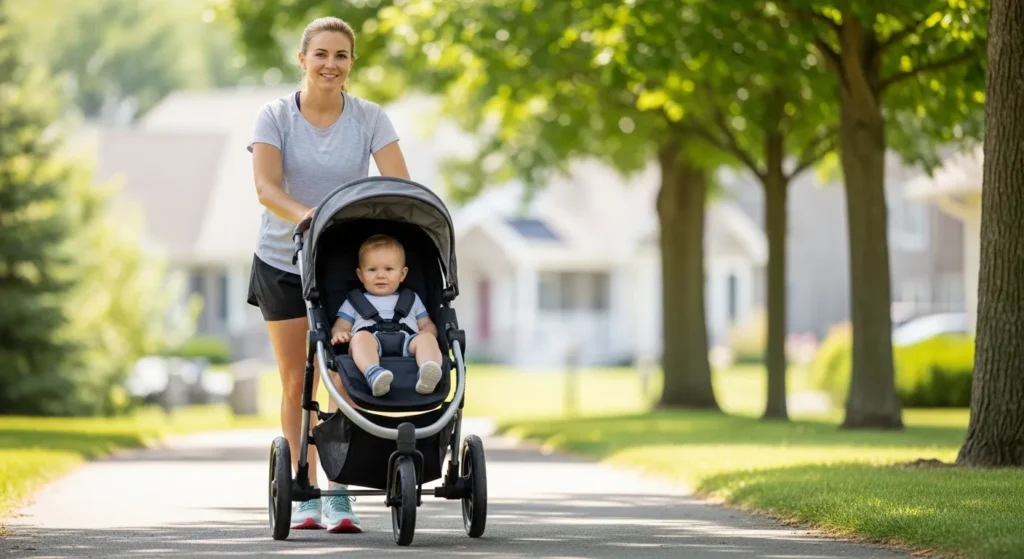
First, protect sleep where you reasonably can. No mom controls every night perfectly, especially during postpartum seasons or heavy family weeks. Still, small improvements matter. A more consistent bedtime, less doom-scrolling before sleep, and honest training adjustments after rough nights all help. Second, fuel your running better. Under-fueling makes fatigue feel worse and recovery slower. Third, strength train just enough to stay resilient.
Your site already supports that message well. Morning Running Routines for Moms: Make Time for Fitness Every Day can help moms create more predictable training windows, while Strength Training for Running Moms in 2026 reinforces the idea that stronger runners usually recover and hold form better.
A simple weekly recovery check works better than guessing
Instead of asking, “Should I push through today?” ask a better question once or twice per week: how have I actually been recovering lately? Look at a few practical markers:
- How has my sleep been over the last three to five nights?
- Do my legs feel normally tired or unusually drained?
- Am I carrying more stress than usual this week?
- Have I been eating and drinking enough to support training?
- Do I feel motivated, flat, or slightly resentful of every run?
That kind of check-in is more useful than reacting emotionally to one hard run. It also helps moms stay consistent without digging a deeper hole.
Match your training to the season of life you are in
This matters more than many runners admit. A mom training with a newborn, a mom in a demanding work season, and a mom returning after illness do not need the same recovery expectations. The smartest plan changes with the season. That may mean fewer hard sessions, more walk-run structure, or shorter workouts done more consistently.
If you are newer to running or rebuilding, it helps to connect this post to How to Start Running as a Busy Mom: Simple Steps for Success. Likewise, moms navigating recovery after pregnancy can move naturally into Postpartum Running Readiness 2026 or Postpartum Running Tips for Moms: How to Safely Return to Running.
Recovery sometimes means doing less on purpose
This can be the hardest lesson for driven moms. Doing less for a few days may be exactly what keeps the next month on track. A shorter easy run, a walk instead of intervals, or an extra rest day can protect momentum better than forcing one more “good” workout. Recovery is not a detour from progress. Often, it is the thing that keeps progress alive.
That is especially true when motherhood already takes a lot out of you. If your body is asking for less intensity, listen early. Waiting until you are exhausted, injured, or emotionally done makes the fix much harder. Better recovery does not always look impressive from the outside. Still, it often produces the most durable results.
In the end, running recovery for moms in 2026 is really about training with more honesty. Sleep matters. Easy days matter. Strength matters. Stress matters. Wearable data can help, but only when it supports calm decision-making instead of anxiety. The goal is not to become perfect at recovery. The goal is to recover well enough that running still fits your life, supports your energy, and keeps helping you feel like yourself.
For an external authority link, use ACSM’s 2026 fitness trends report. It is a strong fit because it directly connects wearables, recovery metrics, and smarter exercise decisions.