
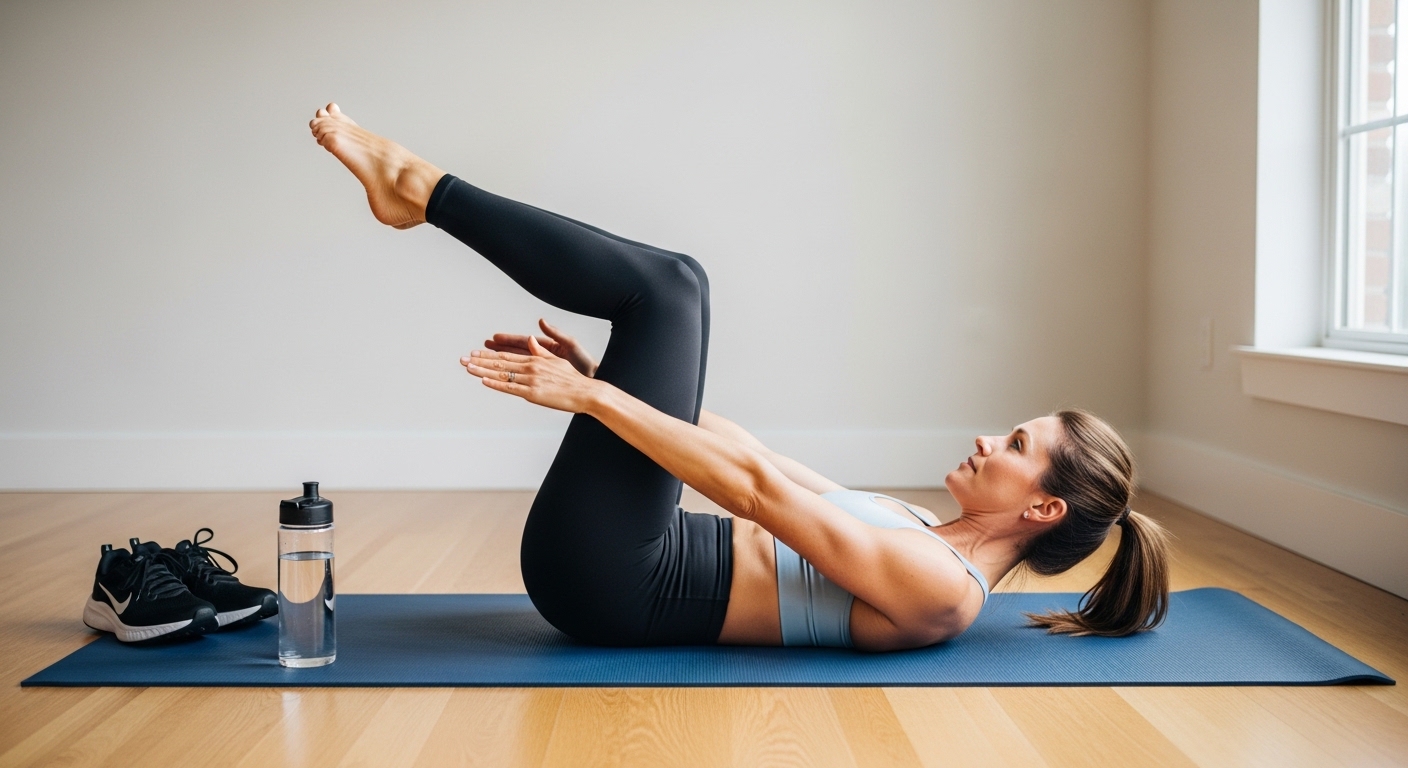
For many moms, running starts as the simplest form of fitness. You lace up, head out the door, and find a little space for yourself before the day fills up with work, school pickups, meal planning, and everything else that comes with family life. Over time, though, many running moms start to notice that more mileage does not always solve every problem. Tight hips, low back tension, poor posture, fatigue, and a nagging sense of being “off” can stick around even when training looks consistent on paper.
That is one reason Pilates for running moms is getting more attention in 2026. Moms are starting to look beyond mileage and ask a better question: what kind of movement actually helps me run better, recover better, and feel stronger in my daily life too? Pilates fits that conversation well because it focuses on core control, breath, stability, balance, alignment, and smooth movement patterns.
For runners, that matters. Running is repetitive. It asks a lot from your body, especially when you are also carrying the stress of motherhood, work, interrupted sleep, and a schedule that rarely leaves much room for extra recovery. Pilates can help support the body behind the miles. It is not a magic fix and it does not replace running-specific strength work, but it can fill a gap that many moms do not realize they have until they start doing it consistently.
This topic fits naturally with your existing Run Fast Mommy content. If you already enjoyed Strength Training for Running Moms in 2026, Running Recovery for Moms in 2026, or Postpartum Running Readiness 2026, this post works as a practical companion. Pilates sits right at the intersection of strength, control, recovery, and long-term sustainability.
Why more runners are looking beyond mileage
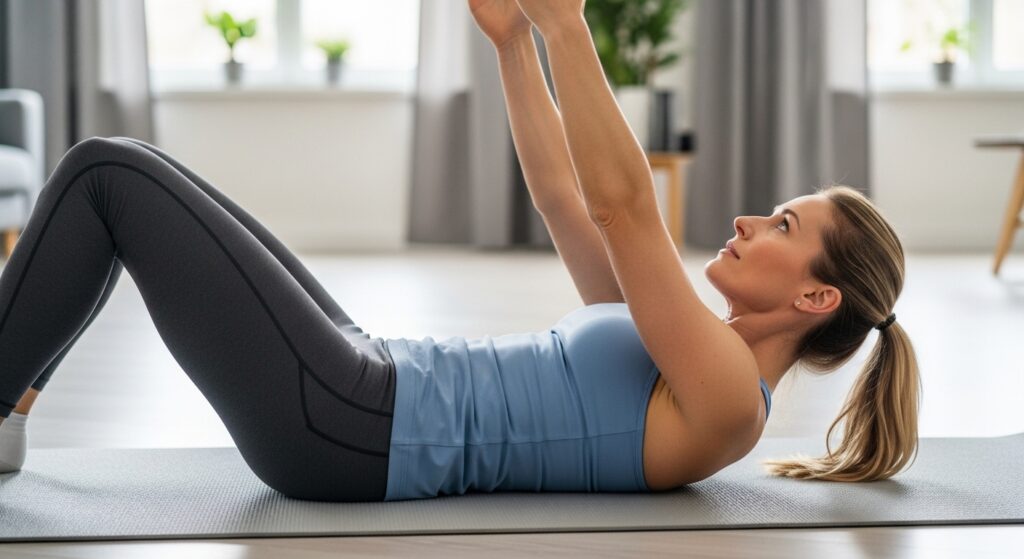
For a long time, many runners treated anything outside of running as optional. If the week was busy, extra movement work got pushed aside first. Moms know that pattern especially well. When time is limited, it feels easier to squeeze in the run and skip the pieces that seem less urgent. The problem is that what looks optional on a busy day often becomes the reason your body feels better or worse over the long term.
In 2026, the fitness world is putting more focus on movement quality, balance, and core support. That shift helps explain why Pilates is trending more strongly now. People want workouts that improve how they move, not just how many calories they burn. Running moms feel that need in a very practical way. They are not only training for pace. They are also lifting toddlers, carrying groceries, sitting at desks, standing in kitchens, and trying to stay upright and energized through full days.
Why the 2026 fitness trend matters
One reason this topic is timely is that the 2026 fitness conversation has moved toward balance, flow, and core-centered training. That trend makes sense for runners because smooth movement, trunk control, and better body awareness often support more efficient running. When you add motherhood into the mix, the appeal grows even more. Many moms do not want more stress from exercise. They want support.
Pilates gives that support in a different way than a hard interval session or a heavy lifting workout. Instead of asking you to push harder all the time, it often asks you to slow down, pay attention, and move with more control. For moms who live in a constant rush, that can be useful both physically and mentally.
Why moms feel this need more strongly
Moms often carry a different type of fatigue than other runners. It is not only physical. It is mental, emotional, and logistical too. When your life already includes invisible labor and constant decision-making, your body may need workouts that restore control rather than only demand more output. Pilates can help because it teaches you to organize movement more efficiently.
That does not mean it is only for tired moms or beginners. It means it works well in a real mom schedule. A short Pilates session can support posture, breathing, and body awareness without leaving you wiped out for the rest of the day. That also makes it easier to pair with your running routine and with posts like How to Balance Motherhood and Running Without Burning Out.
What Pilates can add to a running routine
Running is mostly forward motion. Pilates helps by giving attention to the stabilizing work that running sometimes misses. That includes deep core control, glute support, pelvic stability, breathing rhythm, posture, and balance. When those pieces improve, many moms notice that running feels smoother and less clunky.
Pilates can also help with body awareness. That matters more than it sounds. Many runners do not realize how much tension they carry through the ribs, shoulders, jaw, hip flexors, or lower back until they do slower controlled work. Once you notice those patterns, it becomes easier to make smarter adjustments during running, strength work, and recovery.
Where Pilates helps the most
The biggest benefits usually show up in a few key areas. First, Pilates can improve core control. For runners, that means better support through the trunk rather than just “more ab work.” Second, it can help with balance and single-side stability, which matters because running happens one leg at a time. Third, Pilates often supports mobility and alignment in a more intentional way than random stretching.
That combination can be helpful if you have ever felt wobbly late in a run, tight through the front of the hips, or disconnected through the core. It also pairs well with strength training. If strength builds capacity, Pilates can help refine the control behind that strength. Together, those two pieces often support better running mechanics than mileage alone.
How to Use Pilates Without Overcomplicating Your Training
Build a simple Pilates routine that supports your miles
The good news is that you do not need daily hour-long classes to benefit. Most running moms do better with a small and repeatable routine. Think of Pilates as a support tool, not a second training identity you have to master. Two short sessions a week can go a long way, especially if they focus on the areas runners need most.
A simple Pilates plan might include deep core work, glute activation, spinal mobility, breathing control, balance work, and gentle flow sequences that help you reset after sitting, driving, or carrying kids around all day. The key is consistency. Ten to twenty minutes done regularly will usually help more than one long session every few weeks.
Keep it short, consistent, and connected to your running
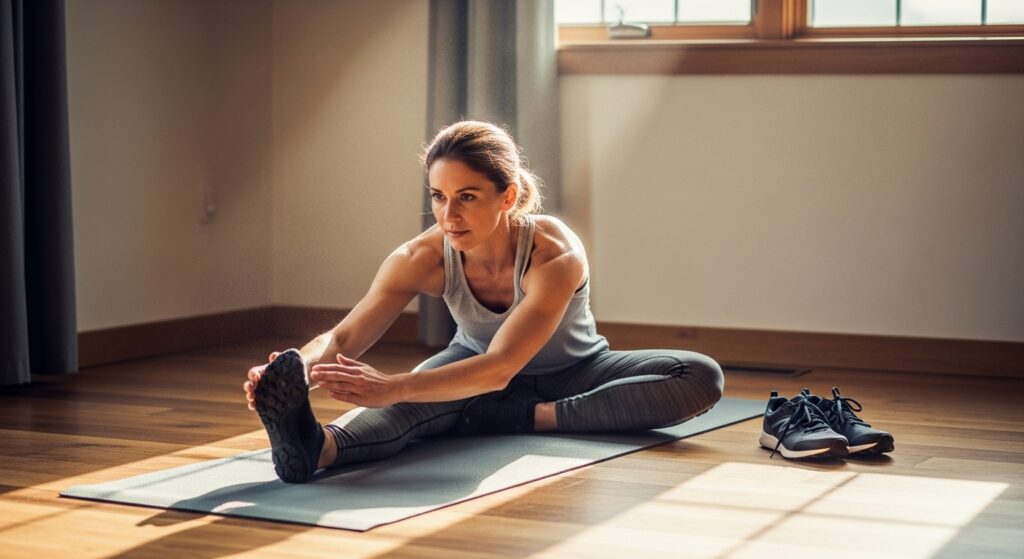
Try placing Pilates where it makes the most sense in your week. Some moms like a short session on a recovery day. Others use it after an easy run or before strength work as a way to wake up the core and stabilize the hips. You can also use it during high-stress weeks when your body needs support but your schedule does not allow a full workout.
If you are postpartum or rebuilding after a long break, Pilates can be especially valuable because it offers a lower-impact way to reconnect with your body. That is one reason it links well with Postpartum Running Readiness 2026. It can also support the smarter-training mindset behind How Running Moms Can Use Wearable Tech Smarter in 2026, because not every useful training signal comes from a watch. Some of the best feedback comes from how stable, coordinated, and connected your body feels.
The goal is not to replace running with Pilates. The goal is to give your running body more support. Your miles already feel strong, Pilates may help keep them sustainable. Body feels beaten up, Pilates may help you rebuild better movement patterns. Motherhood has left you feeling tight, rushed, or disconnected, Pilates can offer a calmer entry point back into yourself.
The bottom line is simple. Pilates for running moms is trending in 2026 because it answers a real need. Moms want movement that improves running without draining the little energy they already have. They want stronger cores, steadier balance, better posture, and more body awareness. Pilates supports all of that. Used well, it becomes less about chasing another fitness trend and more about building a stronger, more sustainable running life.
For an external authority link, you can reference the ACSM Worldwide Survey of Fitness Trends for 2026, which highlights the growing interest in balance, flow, and core strength. That trend helps explain why Pilates is getting more attention among busy active women.