

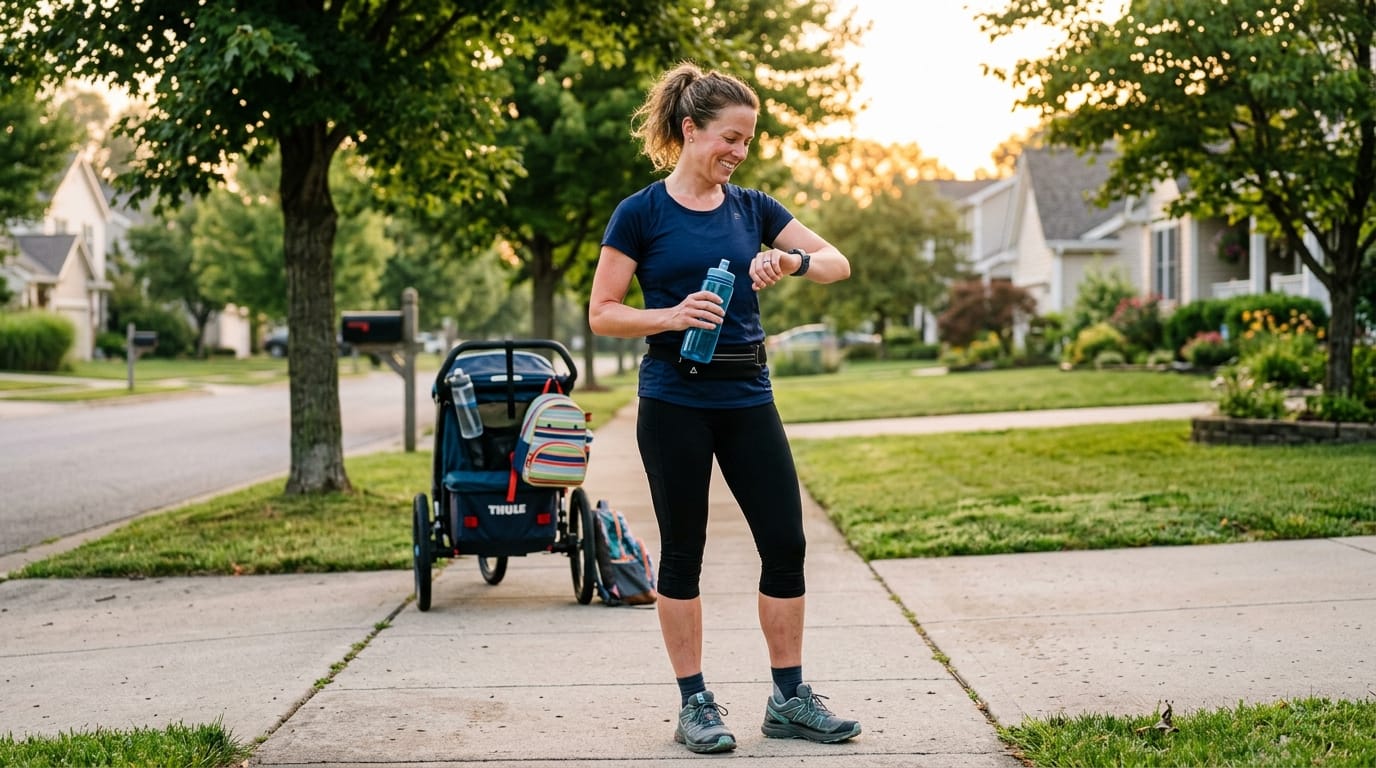
Smartwatch running for moms can be a powerful tool when used with balance. A running watch can track pace, distance, heart rate, recovery, sleep, steps, calories, cadence, and training load. For busy moms trying to fit fitness between school mornings, work, errands, meals, nap schedules, and family responsibilities, that information can be helpful. It gives structure when life feels unpredictable.
But the same watch that motivates you can also create pressure. One morning, your pace looks slower than usual. Another day, your recovery score says you are not ready. Your heart rate seems higher, your sleep score looks low, or your watch suggests a rest day when you were planning a run. Suddenly, running starts to feel less like freedom and more like a report card.
That is why smartwatch running for moms needs a healthy mindset. Wearables should support your training, not control your confidence. Data can guide you, but it should not replace body awareness, recovery, common sense, or joy. The goal is to use your watch as a helpful coach, not as a tiny judge strapped to your wrist.
Why Smartwatch Running Is Trending for Moms in 2026
Wearable fitness technology is growing because more runners want personalized feedback. Smartwatches now offer more than basic step counts. Many devices can estimate recovery, monitor heart rate zones, track sleep, suggest workouts, measure training load, and help runners understand patterns over time. For moms, this can make training easier to organize.
A smartwatch can help you make the most of short running windows. Maybe you have 25 minutes before the kids wake up. Maybe you run after school drop-off. Maybe you walk during soccer practice or squeeze in intervals during lunch. A watch can help you track those small sessions so they still feel meaningful.
However, wearable data is only useful when it supports a realistic routine. Moms already carry enough pressure. Your watch should not become another source of guilt. If you are new to running, start with simple goals before getting lost in advanced metrics. You may also want to read how to start running as a busy mom.
What Smartwatches Can Actually Help You Track
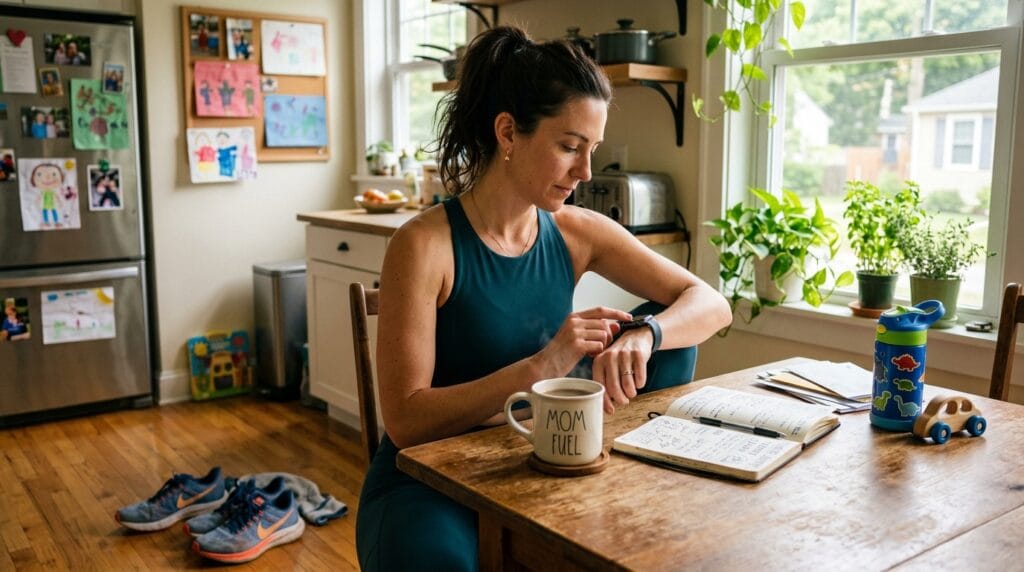
The most helpful running metrics for moms are often the simplest ones: time, distance, pace, heart rate, and consistency. These basics can show whether you are building a routine, improving gradually, or pushing too hard. You do not need to understand every advanced feature on day one.
Time tells you how long you moved. Distance shows how far you went. Pace gives you a general idea of speed. Heart rate can help you understand effort. Sleep and recovery scores may show whether stress, poor rest, or heavy training are affecting your energy. When these metrics are viewed together, they can help you make smarter decisions.
For example, if your usual easy run suddenly feels hard and your resting heart rate is higher than normal, your body may need a gentler day. If your sleep has been poor because your child was sick, a recovery walk may serve you better than intervals. If your pace is slower but your effort feels comfortable, there may be no problem at all.
Use Trends, Not Single Numbers
One bad run does not mean you are losing fitness. One low recovery score does not mean your body is failing. One slower pace does not erase your progress. Smartwatch data works best when you look at trends over time. If several signs point in the same direction for multiple days, then it may be worth adjusting your training.
How Smartwatch Data Can Help Prevent Overtraining
Overtraining can happen when your body does not get enough recovery between repeated hard efforts. For mom runners, this risk is not only about running miles. It can also come from poor sleep, stress, underfueling, breastfeeding demands, work pressure, emotional labor, and constantly being “on” for everyone else.
A smartwatch may help you notice early warning signs. If your resting heart rate is higher than usual, your sleep is poor, your heart rate climbs quickly during easy runs, your legs feel heavy, and your motivation drops, your body may be asking for rest. The watch does not diagnose you, but it can help you pay attention.
Common signs of overtraining include ongoing fatigue, declining performance, mood changes, sleep disruption, frequent soreness, recurring injuries, and loss of motivation. If symptoms continue, it is smart to take them seriously and speak with a healthcare provider. You can learn more from the Cleveland Clinic guide to overtraining syndrome.
Rest Days Count as Training Support
Many moms struggle with rest because fitness time already feels limited. When you finally get a quiet moment to run, it can feel wasteful to skip it. But rest is not wasted time. Rest is when your body repairs, adapts, and gets stronger. A recovery day can protect your next run, your mood, and your long-term consistency.
When Smartwatch Running Becomes Too Obsessive
Smartwatch running becomes unhealthy when the data starts controlling your mood. If a slow pace ruins your morning, if a low readiness score makes you anxious, or if you feel guilty for missing a step goal after caring for your family all day, the watch is no longer helping the way it should.
Mom runners need flexibility. Your life is not a controlled training lab. A child may wake up sick. A meeting may run late. You may sleep poorly. You may feel strong on a day your watch says you should feel tired, or tired on a day your watch says you should be ready. Your body still gets a vote.
Use wearable data as one source of information, not the final authority. Your breathing, mood, soreness, hunger, sleep, menstrual cycle, stress level, and life demands matter too. A watch cannot fully understand motherhood. It can measure signals, but it cannot measure the emotional and physical load you carry.
Watch for Data Guilt
Data guilt happens when numbers make you feel like you failed. Maybe you did not close your rings. Maybe your pace dropped. Maybe your weekly mileage was lower than planned. Instead of letting that guilt take over, ask a better question: “What did my body and family life need this week?” Some weeks are for progress. Other weeks are for maintenance. Both count.
How Moms Can Use Wearables in a Healthy Running Routine

The best way to use a smartwatch is to keep your goals simple. Choose one main purpose for your watch. Are you using it to build consistency? Stay in an easy heart-rate zone? Avoid increasing mileage too fast? Improve sleep awareness? Prepare for a 5K? When you know the purpose, you are less likely to obsess over every feature.
For most running moms, three watch habits are enough. First, track your runs so you can see consistency. Second, monitor effort so easy days stay easy. Third, review recovery trends so you know when to back off. You do not need to chase every badge, alert, streak, challenge, or suggested workout.
A balanced week might include two easy runs, one optional speed or hill session, one strength workout, one family walk, and two flexible rest or mobility days. If your watch says you are tired and your body agrees, switch a run to a walk. If your watch suggests a hard workout but your child kept you up all night, choose recovery. Smart training means adjusting when life changes.
Moms who prefer early workouts can use smartwatch reminders to prepare the night before. Charge the watch, set out clothes, plan the route, and choose the workout in advance. For more help, read morning running routines for moms.
Create a No-Pressure Data Rule
Try this rule: review your running data after the workout, not during every minute of it. During easy runs, check effort and safety, then let yourself enjoy the movement. After the run, look at the summary calmly. Ask what the data teaches you, not what it says about your worth.
Smartwatches can also help moms protect balance. Set reminders to hydrate, walk, stretch, or go to bed. Use calendar alerts for workout windows. Track trends, but do not compare your numbers with someone else’s. Another mom’s pace, mileage, body, schedule, and support system are not yours.
If you are choosing a device, focus on comfort and practical features. GPS, heart rate tracking, battery life, easy controls, water resistance, and phone compatibility matter more than flashy extras. For more practical equipment ideas, visit our guide to the best running gear for moms.
Most of all, remember why you run. Maybe running gives you energy. Maybe it helps your stress. Maybe it gives you one part of the day that belongs to you. Maybe it helps you feel strong in a season where motherhood asks a lot from your body and mind. That purpose matters more than any single number.
Smartwatch running for moms should make running clearer, safer, and more sustainable. It should help you notice patterns, respect recovery, and celebrate consistency. It should not make you anxious, guilty, or trapped by numbers. Use the data, but keep your body in charge. Let your watch support the runner you are becoming, not pressure you into ignoring the life you are actually living.